

One of the most important decisions in betting isn’t just who to back, but when to place the bet.
Odds constantly change as bookmakers react to betting activity, information, and market sentiment. A runner that is $6.00 in the morning might start the race at $4.00 — or drift out to $9.00.
Learning when to bet can help you secure better prices and long-term value.
Why timing matters
Odds represent a runner’s implied probability of winning. As bets are placed, bookmakers adjust prices to manage their risk.
This means prices can:
- Shorten (firm) when strong support comes for a runner
- Drift when money goes elsewhere or confidence drops
Punters who consistently take better odds than the final market price are often betting with value.
In simple terms, if you regularly beat the closing price, you’re likely making strong betting decisions.
When betting early can be advantageous
Betting early is often beneficial when you believe the market will move towards a runner.
Situations where early betting can be valuable include:
- Expected market support
If a runner is likely to attract professional money, prices may shorten quickly. - Strong form not yet reflected in odds
Early markets can sometimes misprice runners before deeper analysis is completed. - Smaller bookmakers posting prices first
Early markets often contain inefficiencies that sharper bettors exploit. - Anticipated media or tipster influence
When well-known analysts tip a horse, the market can move rapidly.
In these situations, betting early can allow you to secure a higher price before the market corrects.
When betting later can be better
Sometimes patience can deliver a better betting opportunity.
Waiting can be useful when:
- A runner is expected to drift
If confidence in a horse is low, the price may lengthen closer to race time. - Large fields with uncertain markets
Bookmakers sometimes tighten markets as the race approaches. - Late information becomes available
Track conditions, scratchings, and jockey changes can influence final prices. - Liquidity improves near race time
Markets are often most efficient just before the jump.
Waiting allows you to take advantage of improved prices if the market moves against a runner early.
Simple example
Imagine a runner opens at $6.00 on Wednesday.
As the race approaches:
- Professional punters begin backing the horse
- Bookmakers shorten the price to $4.50
- By race time it starts at $3.80
If you backed the horse early at $6.00, you secured a much stronger price than the final market.
This difference in price is known as beating the closing odds, which many professional punters consider a key indicator of long-term betting success.
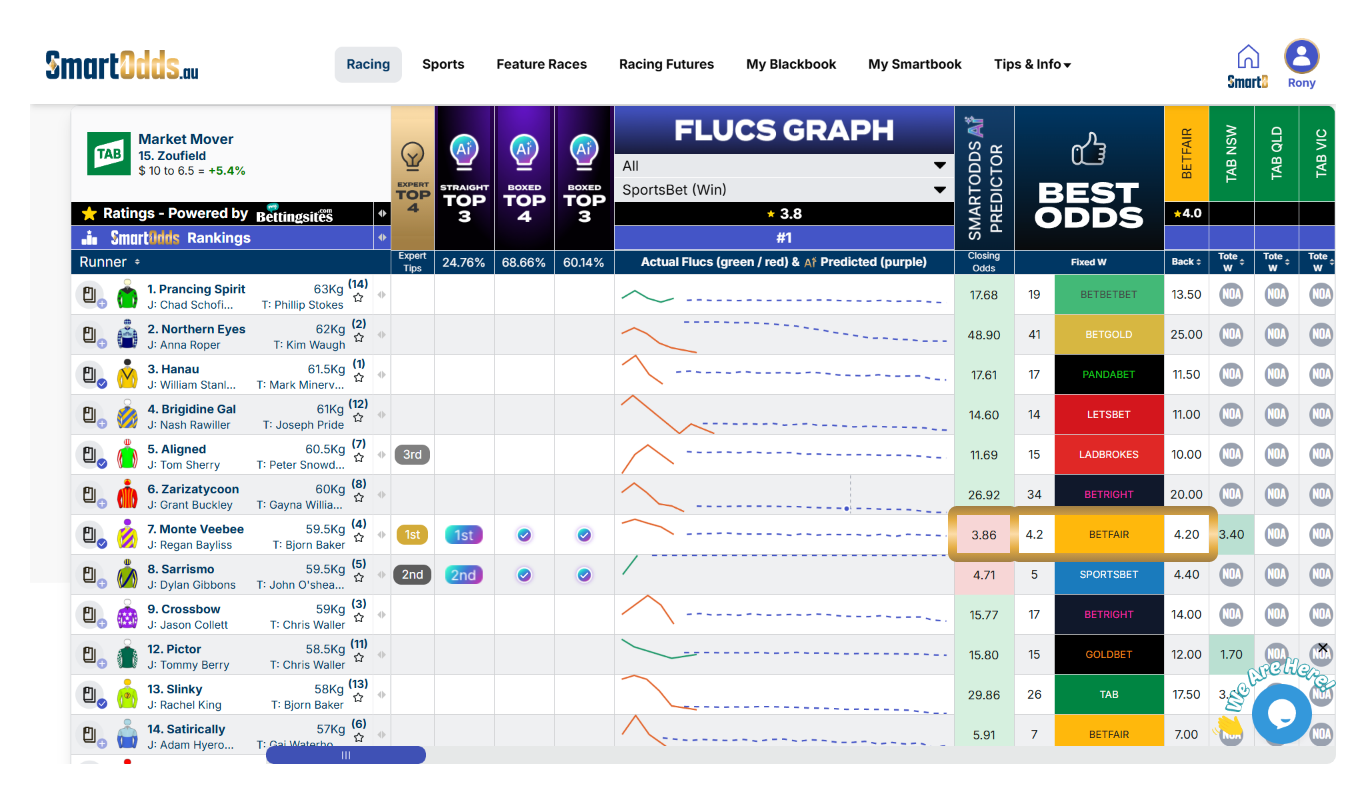
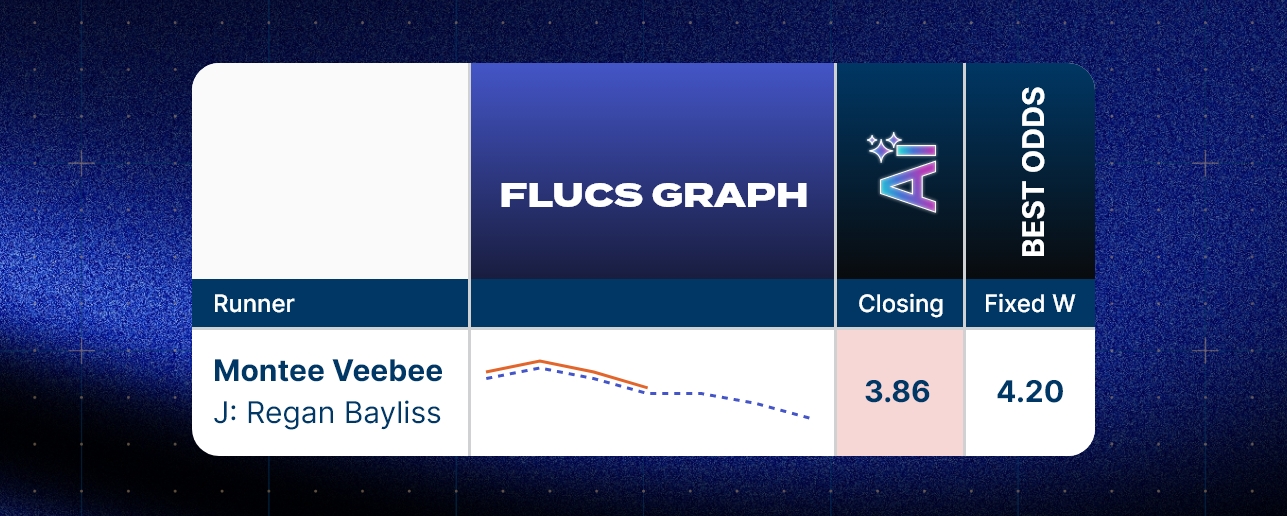
Example of a runner at $4.20, predicted to shorten to $3.86.
Using SmartOdds to improve timing
SmartOdds helps punters identify timing opportunities by providing:
- Real-time odds comparisons across bookmakers
- Closing odds AI predictor
- AI odds fluctuation predictions
- Alerts for price movements
By monitoring market behaviour, you can make more informed decisions about when to enter the market.
Key takeaway
Successful punters focus on price as much as selection.
By understanding how markets move and choosing the right moment to bet, you improve your chances of consistently securing better value than the market.